
Design Principles for Safe and Engaging Indoor Playground Environments
- Foundational Safety Standards in Playground Design
- Spatial Planning for Injury Prevention
- Selecting Durable Soft Play Equipment
- Safety Surfacing Materials and Impact Absorption
- Age-Appropriate Zoning for Diverse User Needs
- Designing Separate Zones for Toddlers vs. Older Children
- Equipment Height and Complexity Adjustments
- Integrating Trampoline Parks and Bounce Areas Safely
- Structural Engineering for Bounce Trampoline Sports
- Perimeter Padding and Fall Zone Calculations
- Active Supervision and Conflict Resolution Strategies
- Sightline Optimization in Layout Design
- Staff Training for Behavioral Guidance
- Maintenance Protocols for Long-Term Safety Compliance
- Daily Wear-and-Tear Assessments
- Monthly Structural Integrity Checks
Foundational Safety Standards in Playground Design
Spatial Planning for Injury Prevention
Effective spatial planning is critical in preventing playground injuries. Studies reveal that appropriate design can reduce injury rates by up to 30%. A well-thought-out spatial layout includes zoning techniques to separate energetic play areas from quieter zones, minimizing the risk of collisions and ensuring a safer environment for children. For instance, a playground in Barcelona that implemented zoning techniques reported a significant drop in accidental injuries by distinctly separating jumping and climbing zones. By implementing such spatial planning strategies, playgrounds can create a safer, more enjoyable experience for users.
Selecting Durable Soft Play Equipment
Choosing high-quality materials for soft play equipment is essential for ensuring safety and longevity. Adhering to industry standards like ASTM F1918-12 and EN 1176, which govern the durability of soft play components, helps manufacturers deliver safer products. Additionally, the sustainability of materials used can significantly impact the environment. For instance, opting for recycled or easily recyclable materials not only guarantees durability but also promotes environmental sustainability. This consideration is vital, as it reflects a commitment to both safety and ecological responsibility.
Safety Surfacing Materials and Impact Absorption
Selecting the proper safety surfacing materials is crucial in reducing fall-related injuries in playgrounds. Options such as rubber mats, engineered wood fiber, and synthetic turf are popular for their excellent impact absorption properties. Statistics show that fall-related injuries account for a significant portion of playground incidents, but appropriate surfacing can mitigate these risks effectively. Moreover, the choice of surfacing material affects maintenance and long-term cost-effectiveness. For example, rubber mats might require less frequent replacements compared to natural materials, offering value over time. Therefore, integrating effective safety surfacing ensures a safer and more sustainable playground environment.
Age-Appropriate Zoning for Diverse User Needs
Designing Separate Zones for Toddlers vs. Older Children
Creating distinct zones for toddlers and older children is crucial for ensuring safety and promoting age-relevant play. Different age groups have varying physical and cognitive needs, and mixing them can lead to increased accidents. Research highlights that playgrounds with clear boundary indicators see fewer incidents, as children are less likely to collide or interfere with play intended for other age groups. For practical implementation, consider using colorful signs and barriers to demarcate zones. For example, bright color schemes and themed areas can visually separate toddler-safe zones from those designed for older children.
Equipment Height and Complexity Adjustments
Equipment tailored to the physical abilities and heights of different age groups significantly prevents injuries. Guidelines recommend maintaining safe height and complexity ratios based on age to ensure children play safely within their developmental stages. Playground designs incorporating adjustable equipment serve as excellent examples, as they can cater to various developmental needs effectively. Consider introducing modular play systems that can be tailored for group activities or standalone play, ensuring adaptability across diverse age ranges. This approach not only enhances safety but also promotes inclusive play experiences, accommodating varying skill levels and interests.
Integrating Trampoline Parks and Bounce Areas Safely
Structural Engineering for Bounce Trampoline Sports
The structural engineering of trampoline parks plays a crucial role in ensuring the safety and integrity of the facilities. Trampoline structures are subject to specific safety statistics and building codes, such as ASTM standards in North America, to minimize risks. Engineers often emphasize the importance of durable materials and optimal design to bolster user safety amid rigorous activity. Insights from industry experts suggest that integrating bounce areas into existing playgrounds requires focusing on key elements such as material strength, load distribution, and compliance with safety provisions.
Perimeter Padding and Fall Zone Calculations
Perimeter padding and precise calculations of fall zones around trampolines and bounce areas are vital for reducing injury risks. Padding acts as a protective buffer, absorbing impact and preventing harm if a child falls off the trampoline. Best practices for calculating fall zones involve considering the equipment's design and height to determine safe distances for bouncing activities. Trampoline parks showcasing excellent safety measures typically have adequate padding and correctly calculated fall zones, ensuring a safer environment for users to enjoy their experience.
Active Supervision and Conflict Resolution Strategies
Sightline Optimization in Layout Design
Sightline optimization is a cornerstone in playground design that allows staff to effectively monitor children during play. By crafting a layout that prioritizes open visibility, staff can stay aware of potential issues, intervening quickly to prevent accidents. When designing such an environment, implementing wide-open spaces with minimal obstructions is key. This can be complemented with strategic placement of mirrors or glass panels to eliminate blind spots. An example of successful sightline optimization can be seen in modern indoor playgrounds like "FunBounce," where careful design enables staff to oversee large play areas effortlessly, thus enhancing safety.
Staff Training for Behavioral Guidance
Training staff in behavioral guidance is vital for managing conflicts and ensuring a harmonious playground environment. Effective training programs teach staff how to de-escalate conflicts, providing them with the skills needed to address disputes among children calmly and effectively. Programs such as the "Safe Kids Initiative" offer certifications focused on child supervision and conflict resolution, emphasizing proactive engagement and communication. Proactive staff interventions can significantly enhance the safety and overall user experience in playgrounds, making them enjoyable and secure spaces for all children.
Maintenance Protocols for Long-Term Safety Compliance
Daily Wear-and-Tear Assessments
Conducting daily wear-and-tear assessments is crucial for ensuring the safety and longevity of your playground equipment. By integrating routine inspections, you can quickly identify and address potential hazards caused by daily usage. A comprehensive checklist for staff should include examining surfaces for cracks, checking the stability of play structures, and inspecting all fastening hardware. Keeping a keen eye on these details not only prevents accidents but also extends the life of the equipment.
Organized and diligent maintenance protocols are reinforced by compelling data. According to industry studies, regular maintenance can significantly extend the lifespan of playground equipment. Companies that adhere to consistent inspection schedules report fewer breakdowns and increased equipment longevity. Ultimately, active daily assessments contribute significantly to the playground's overall safety and function, ensuring a secure and inviting environment for children.
Monthly Structural Integrity Checks
Monthly structural integrity checks are essential for the sustained safety of play equipment. These checks delve deeper into the playground's overall framework, ensuring each component meets safety standards. Common focal points during inspections include evaluating load-bearing capabilities and detecting corrosion or wear that might not be visible during daily assessments.
Industry standards, such as those set by ASTM International, provide guidelines for structural evaluations, highlighting common issues like material fatigue and joint failures. Insights from field experts stress the importance of these maintenance checks, as they play a pivotal role in accident prevention. By addressing structural issues proactively, playground operators can maintain safe environments that enable children to engage in energetic play without unnecessary risk.
Incorporating these detailed protocols into your routine not only assures compliance with safety regulations but also fosters trust among caregivers, knowing that a safe and enjoyable play environment is prioritized.
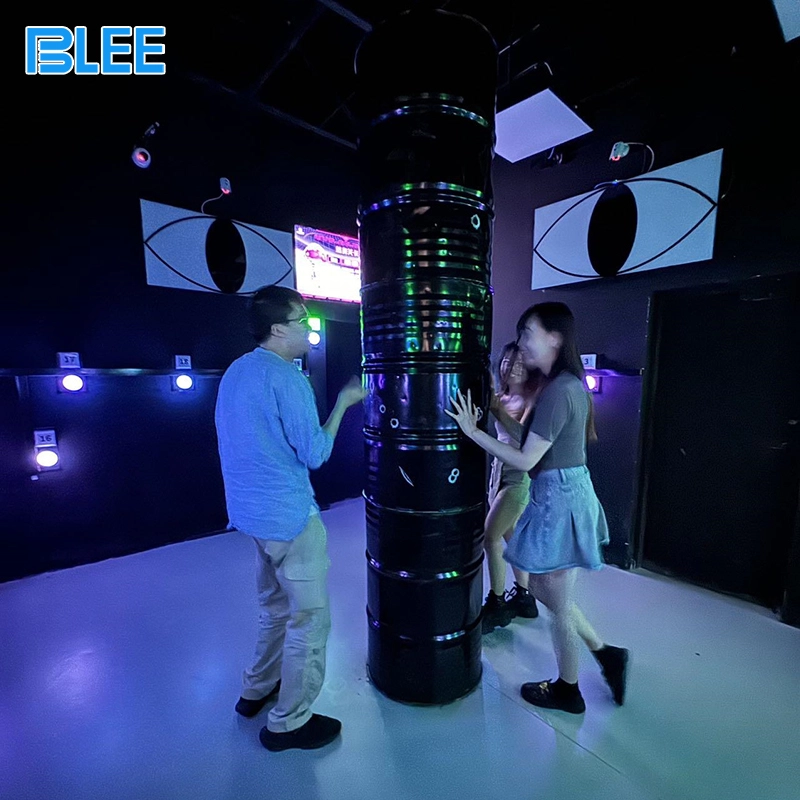
What Future Trends Can We Expect in Activation Games?
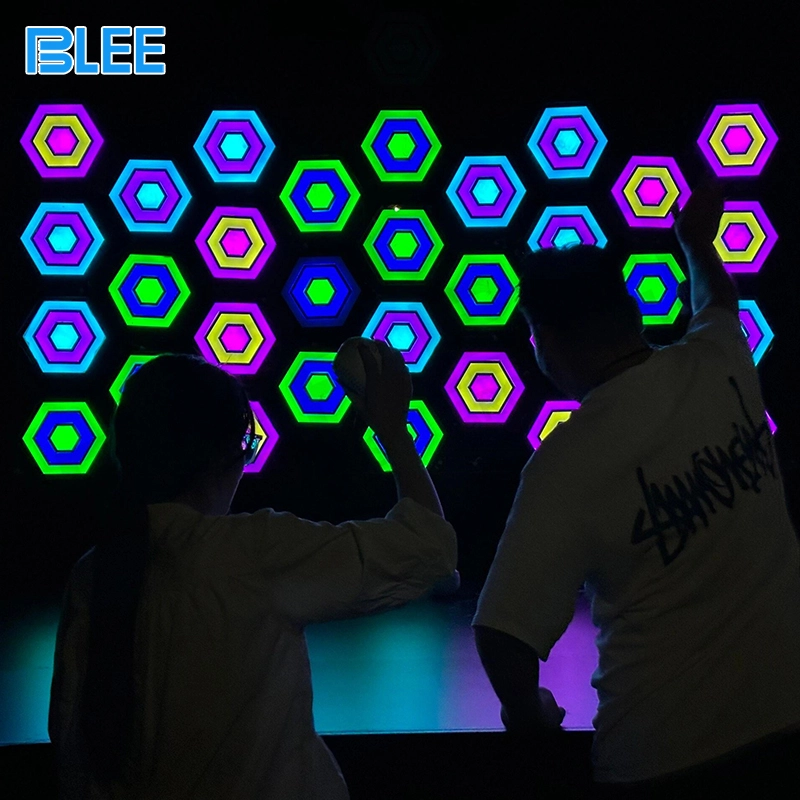
What to Consider When Installing Activation Games?
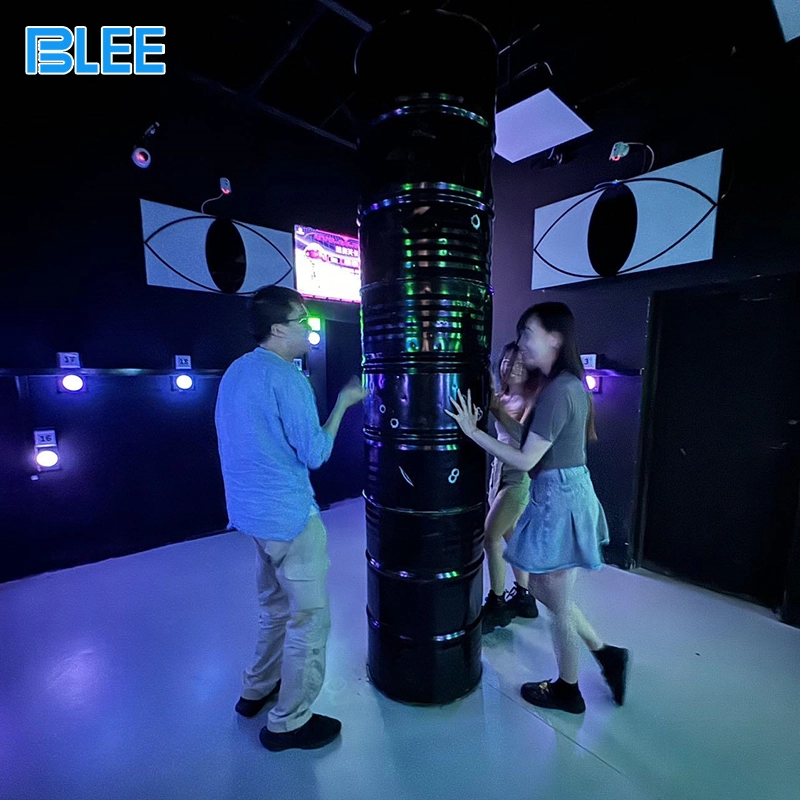
Why Activation Games Are Trending in Entertainment Industry?
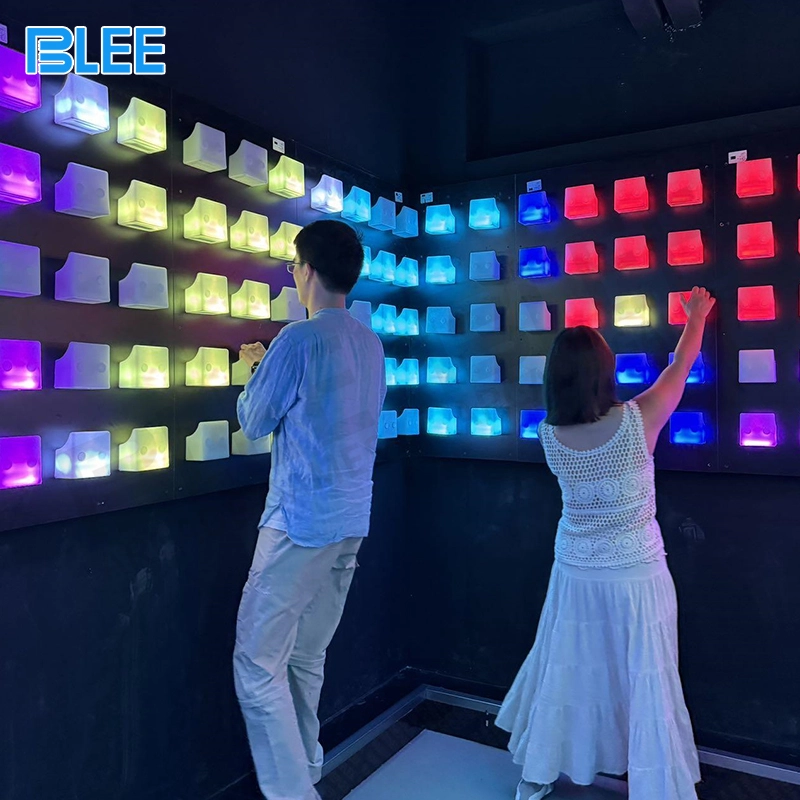
How to Design a Playground with Activation Games?
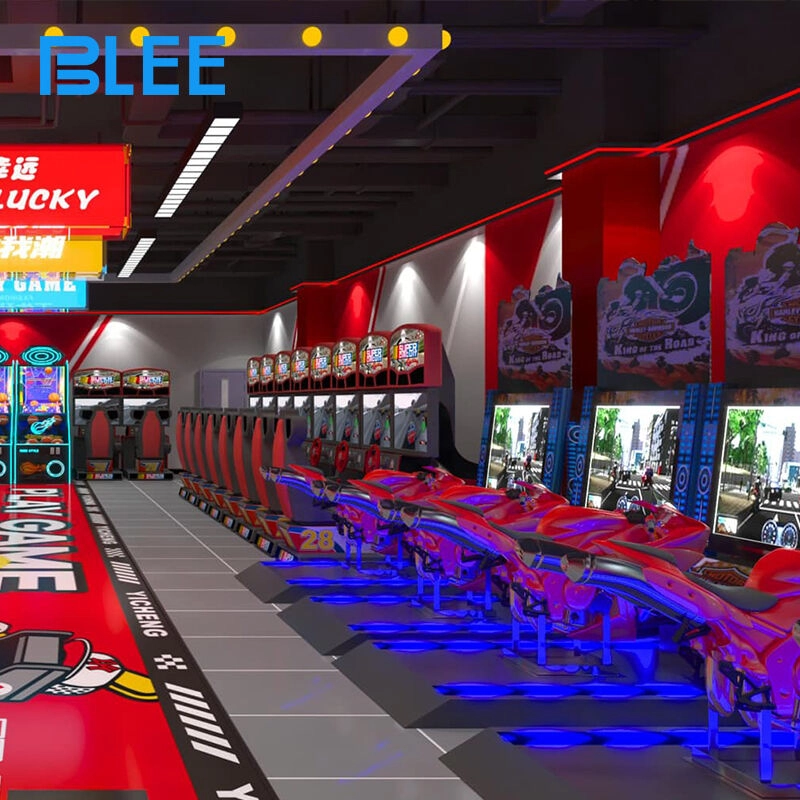
Arcade Theme Park One-Stop FECs Solution Service
BLEE provides a complete Arcade Theme Park and FECs solution service, integrating arcade machines, VR simulators, claw machines, and children’s play equipment into one engaging venue. From concept design and space planning to equipment supply, installation, and after-sales support, we deliver turnkey solutions that attract families, teenagers, and young adults. With 10,000㎡ of factory capacity and 3000+ styles advanced amusement machines, BLEE helps operators create profitable, high-traffic entertainment centers worldwide.
Site size: 300 m² /Customized
Budget range: $35,000-100,000 USD
Warranty: 1 year (technical service long-term)
Product:claw machine,arcade machine,shooting game machine,racing machine,kids game machine,redemption Game Machine, ect.(Customers can choose any machine type)
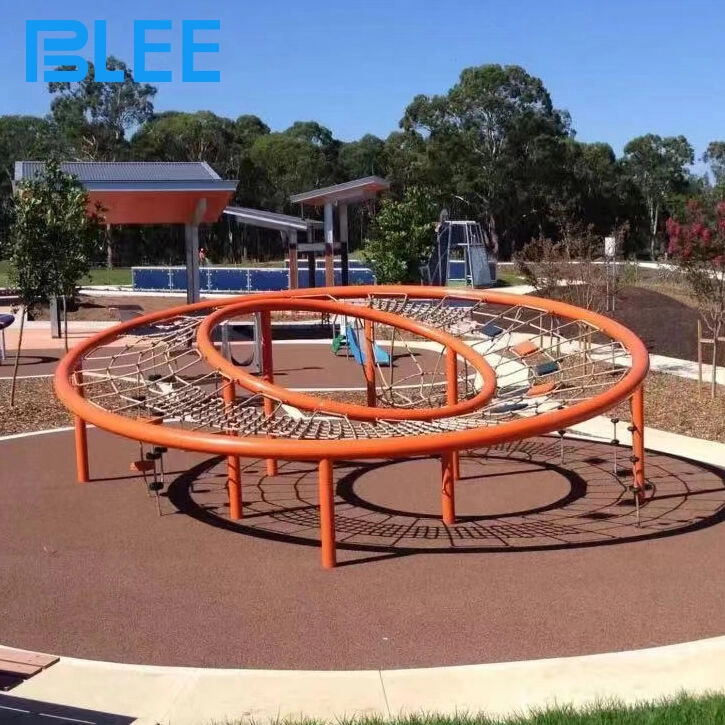
Kids Climbing Rope Net Playground
1.Outdoor Play for Kids: Climbing is a kind of exercise that helps kids brain development.
2.Equipment security: This geometric climbing dome is made of both rust-resistant and weather-resistant galvanized steel construction, great for outdoor use. GIKPAL backyard climber is rust-proof and can prevent breakage, offering a long service life. Its surface is smooth without sharp points, edges, or corners, which reduces the risk of scratching or hurting others.
3.Sturdy Design: The entire frame is made of hot-dip galvanized pipes and nylon climbing nets ,and the iron wall thickness is 25.5mm. It's sure to stand the test of time. Diameter 10ft, height 5ft, weight-bearing 1000lbs, suitable for kids 3-10.
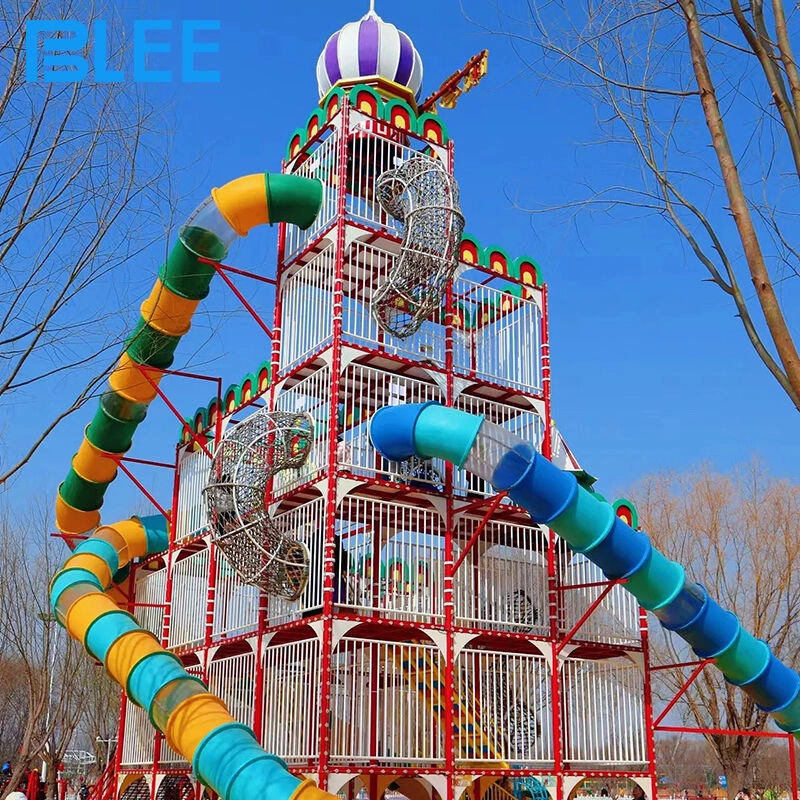
Outdoor Climbing Playground With Big Slides
Designed for little ones: Climbing playground for fun for ages 3-15
Upper Play Platform: Covered upper platform protects against UV rays
Covered but visible: Deck and safety net on upper fort provide protection while still allowing parents to see
Climbing Fun: Safe and tough climbing net for challenging climbs or easy climbs.
Sliding Fun: Plastic spiral slide
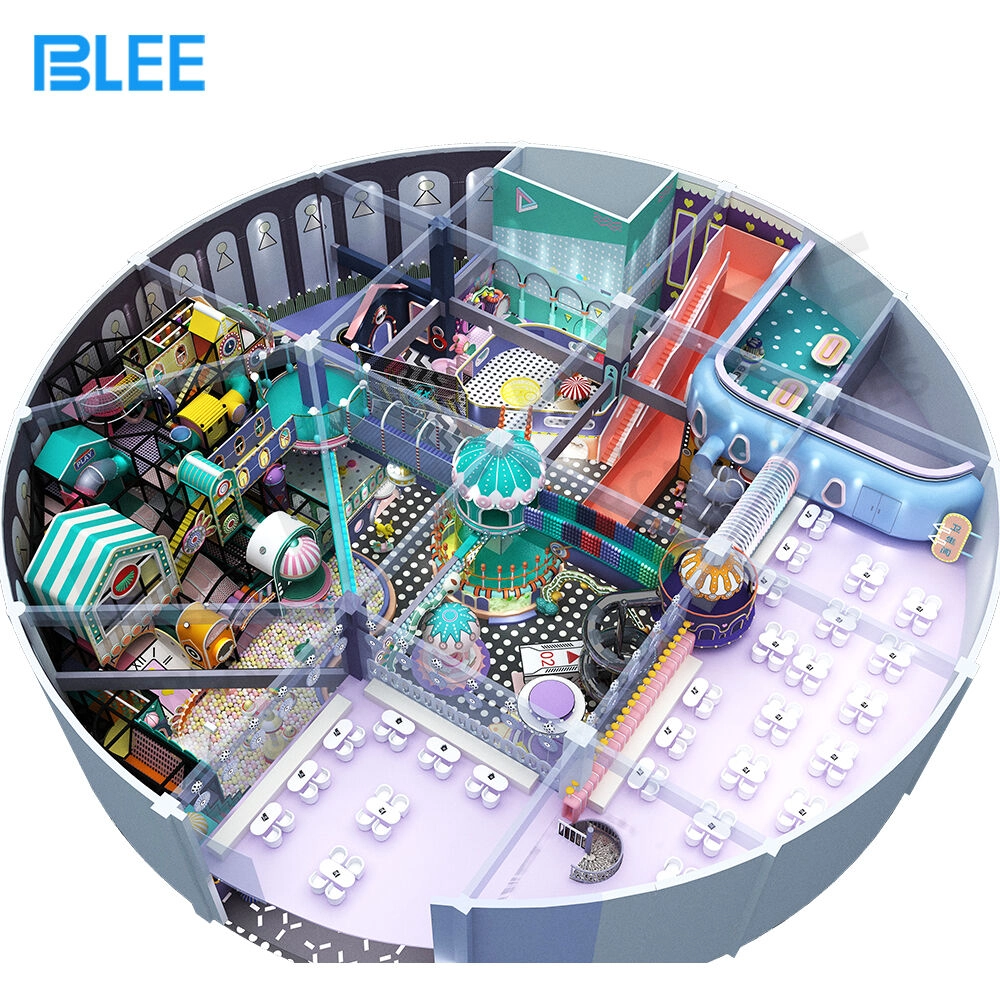
Indoor Playground Manufacturer
Code: BL-A002
Size(CM): 1680 x 1234 x 280
Size(FT): 55 x 40.5 x 9.5
This themed playground equipment blends magical art with creative design, such as the Phantom Forest Maze, allowing children to explore the unknown alongside whimsical creatures.
And also please tell us your favorite theme and budget. Then our designer will make a design according to your requirements.
Get a Free Quote
Our representative will contact you soon.